Texas A&M University is launching a new research center backed by a five-year, $15.3 million National Institutes of Health grant.
Officials said it could reshape how industrial and consumer-use chemicals are evaluated for human safety, according to a March 18 news release.
What we know
The New Approach Methodologies Decision Center is intended to advance science-based methods for chemical safety assessments while reducing the need for new animal testing.
According to the release, the center will be led by Texas A&M’s College of Veterinary Medicine and Biomedical Sciences and Texas A&M AgriLife Research, per the release.
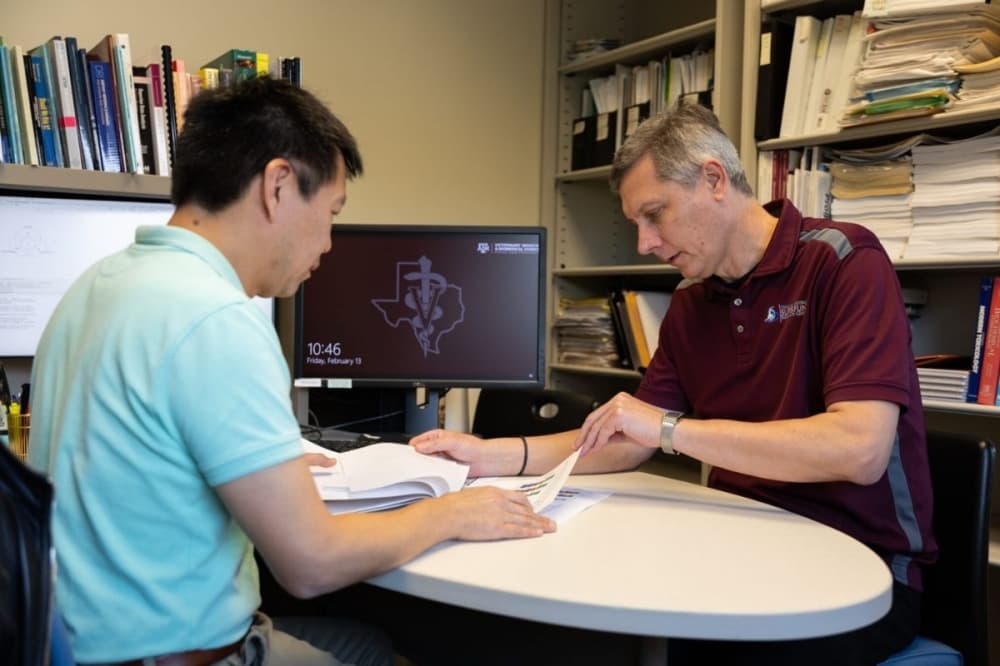
The center will bring together toxicologists, engineers, data analysts, regulatory professionals and educators to use human-based lab models and computer-based tools in safety decision-making, per the release.
Texas A&M is partnering with the University of North Carolina at Chapel Hill, the University of Illinois Chicago, Michigan State University, North Carolina State University and Sciome LLC.
A closer look
A major part of the work will focus on improving “read-across,” a process used to predict the safety of one chemical based on data from similar chemicals, the release states. Texas A&M officials said that method has often fallen short because regulators need stronger evidence showing biological similarity between chemicals.
Per the release, the center will develop tools to better show how chemicals are absorbed, metabolized and distributed in the human body, as well as how they may cause toxicity. Officials said that work could help close data gaps that have slowed regulatory acceptance of non-animal testing methods.
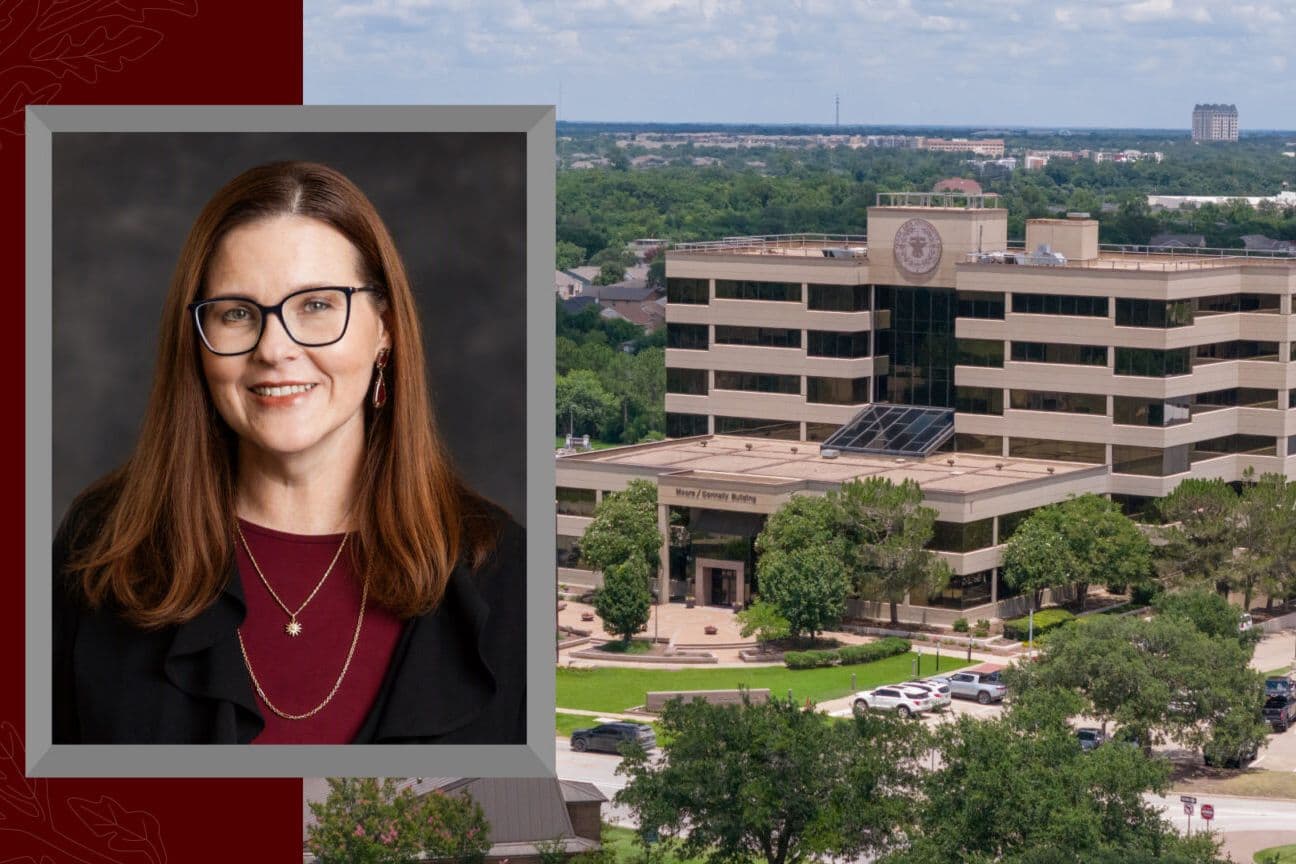
Center Director Ivan Rusyn said in the release that chemical safety decisions affect nearly everyone and that the project is intended to give regulators and industry stronger scientific tools to use modern, non-animal methods with confidence.
The center will also work with U.S. and international regulatory agencies, industry groups and nonprofits to help move those methods toward real-world use, according to the release.
In addition to research, the center plans to invest in training and education for students, regulators and chemical industry professionals, the release states.